| Home |

|

|

|

|
Online Store |

|

|

|
If you're visiting our website and the layout looks wrong, try going to your address bar and change the address from "https" to "http". We recently added SSL security to our site, but it is causing some pages to appear without formatting.

|
Representatives for manufacturers of municipal and industrial water and wastewater treatment equipment and environmental systems, serving Iowa and Nebraska. Our online store serves the world.
municipal water treatment municipal wastewater treatment industrial water treatment industrial wastewater treatment power plants wastewater pumps water pumps sludge pumps lift stations pressure boooster stations sluice gates slide gates flap gates expansion joints pinch valves knife-gate valves baffle curtains clarifier covers dissolved air floatation enclosures lagoon covers lagoon liners sand filters soil-reinforcement geotextiles tanks (fiberglass) turbidity barriers ambient air monitors toxic gas sensors water quality monitors portable pumps portable gas monitors chlorination tablets sump pumps
|
How to Maintain a Pump and Not Get Hurt
A brand-new presentation makes its debut at the IAWEA annual conference. Obviously a good one for operations and maintenance teams, but possibly even more important for managers and engineers, since so many aspects of safety are baked-in by policy or design, long before anyone shows up with a wrench! Reach out to us if you'd like to get it on the agenda for your next meeting. The Nine Major Villains of Water-Sector Cybersecurity
Forget the Environment, We're in the Public Health Business
Selecting the Right Pump for the Application
Introduction to Pump Hydraulics
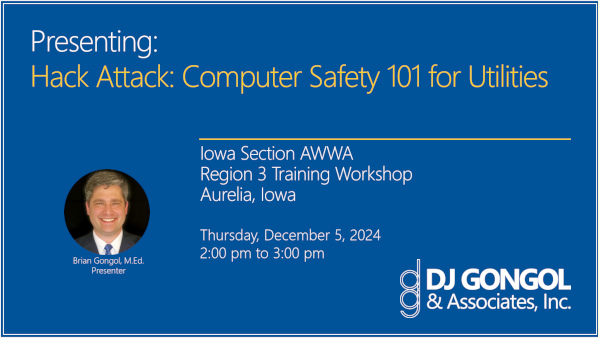
Gorman-Rupp expands its pump line in a big wayIf you like Gorman-Rupp Pumps for reliability, performance, and American-made quality, you'll be pleased to know about the new 6400 Series for flooded-suction applications. Highly interchangeable with the Super T Series of self-primers, but a little smaller for situations where the pump won't need to reprime itself. Bonus: There's a vortex impeller option! Gorman-Rupp's 6400 Series introductory video will give you a great overview. Computer Safety 101 for Utilities
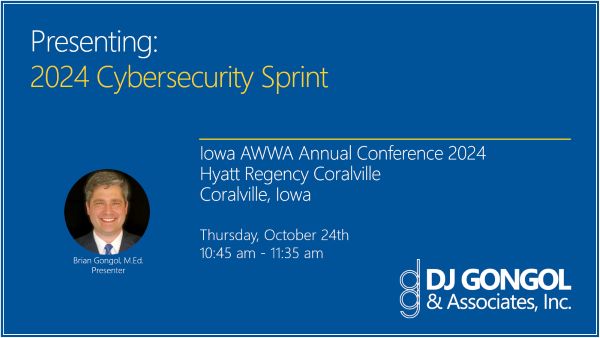
2024 Cybersecurity Sprint
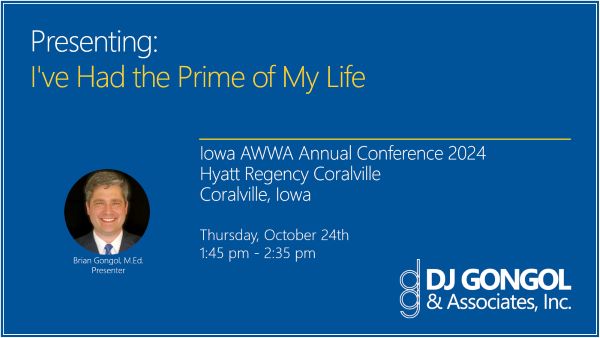
I've Had the Prime of My Life
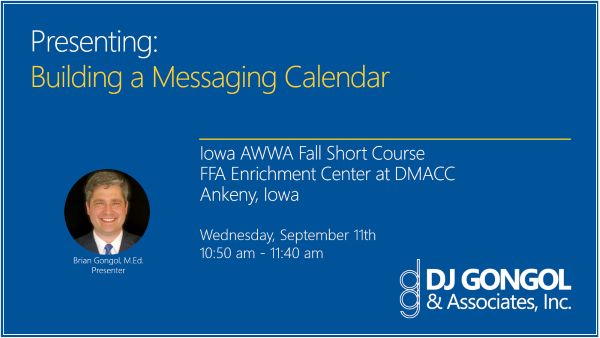
Building a Messaging CalendarFor too many decades (maybe even generations), water utilities have gone about doing their jobs in "silent service". But times change. And with your customers spending hours every day consuming messages on screens, through earbuds, and on their phones, water utilities need to spread the word about the indispensable work going on behind the scenes. It can seem intimidating, but we'll fix that: Come to this class, and in 50 minutes, we'll help you develop an entire year's worth of messages.
Water Utilities: The President's Other Secret ServicePeople talk about "The Swamp", but we don't always realize that Washington is literally built in a swamp -- and the lingering sick water table there probably killed a few of our Presidents. Come find out about the history that we've too easily forgotten.
Gauges are a pump's best friendAn all-new presentation we delivered today at the Iowa Water Environment Association operators' conference in Newton:
As always, please check out our extensive presentation library and contact us if there's anything that fits your needs for a conference, training session, or engineering workshop. How to blow away your bugsBright and early on Thursday morning at the 38th Annual NWEA Heartland Ops Conference:
If we're running two pumps, why aren't we getting twice as much flow?Monday at the Ankeny Annual Water Conference:
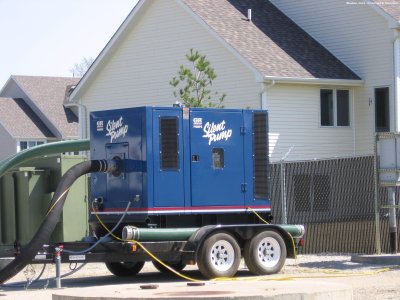
High-powered pumping, low noiseIf you find yourself looking for safe, reliable, and neighborhood-friendly options for lift station backup or flood control, the Gorman-Rupp Silent Pump is worth your attention. Capable of flow rates up to 9,950 gpm and able to run continuously for up to 40 hours at full throttle, the Silent Pump is in a class all by itself. It runs automatically and can be left unattended, so you can get to work on the other issues that cry out for your attention. And it's inside a sound-attenuated enclosure, so it's practically impossible to tell that it's even running from more than a few feet away. Find out more and download a brochure.
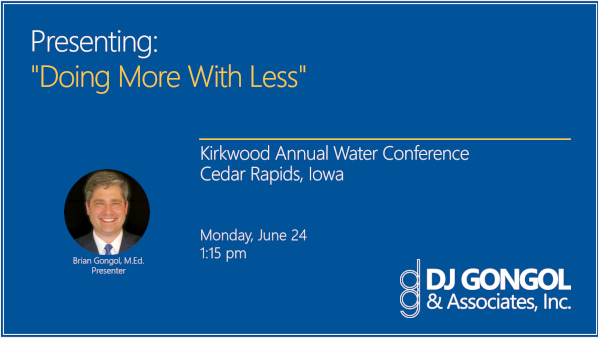
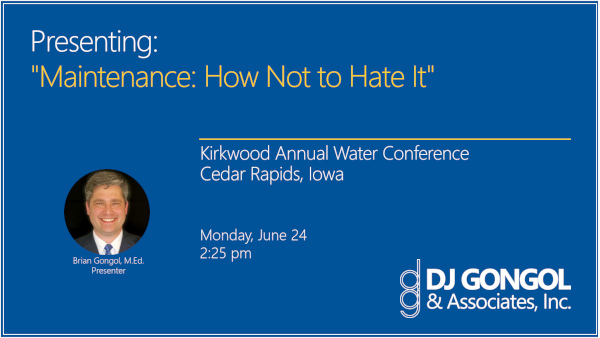
Presentation double-header todayBack-to-back classes at the Kirkwood Annual Water Conference in Cedar Rapids today:
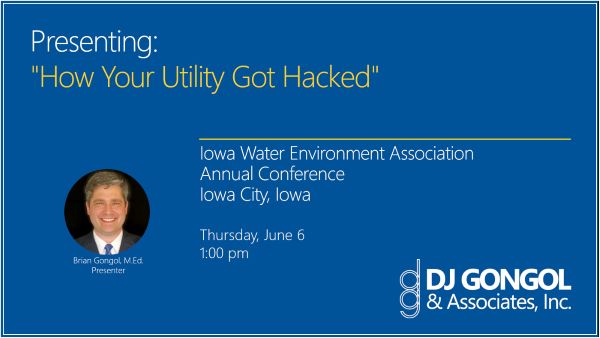
Two presentations coming up
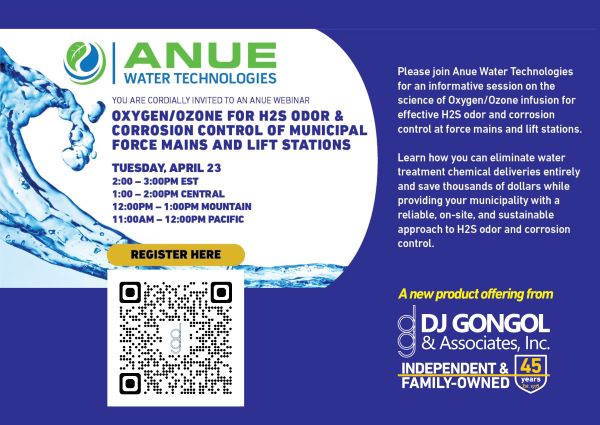
The all-purpose backup optionLots of communities around Iowa and Nebraska have suffered from flooding, severe storms, or power outages this spring. It's been a lot more than some collection systems were built to bear. Consider the Gorman-Rupp Silent Pump if you need a backup pumping system capable of fully automatic operation -- completely unattended, so you can spend your time on other things during an emergency. The Silent Pump is a self-contained portable lift station with a sound-attenuated enclosure to keep things quiet when there are already lots of other noises piling up. With flow options from 100 gpm to 10,000 gpm, a powerful diesel engine, and fuel capacity for up to 24 hours of continuous full-duty run time, the Silent Pump can be a clutch player when you need it. How to reduce hydrogen sulfide and control corrosionWe invite you to a free webinar on April 23rd about how to reduce hydrogen sulfide production in collection systems and control the resulting corrosion that eats away at pipes, valves, and equipment. It's possible using on-site generation of oxygen and ozone, available as a turn-key system for a flat monthly charge. Register now!
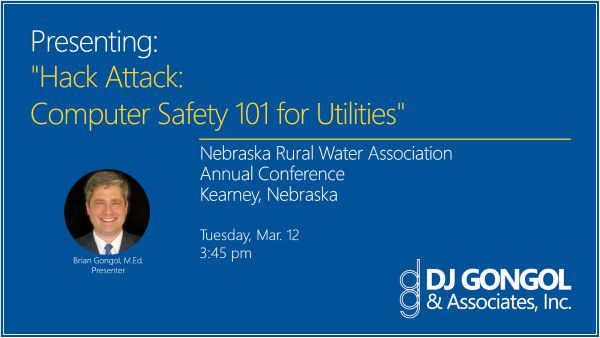
Double-header at the Nebraska Rural Water ConferenceWe're honored to have been invited to deliver back-to-back presentations at the Nebraska Rural Water Conference on March 12th in Kearney. Please join us if you can!
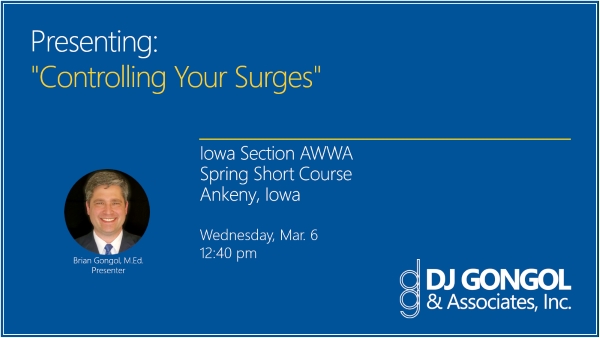
Come to the Iowa AWWA Short Course on March 6thRegister to attend the Iowa Section AWWA Spring Short Course on March 6th and catch our presentation "Controlling Your Surges" in the water distribution track.
For more news, visit the Water News Archives from 2005 through today
|




DJ Gongol & Associates, Inc.
4328 North Dawson Avenue | PO Box 180 | Cumming, IA 50061
515-223-4144 | 402-965-1306 text | 515-981-0581 fax
info@gongol.net


